Introduction
The rhythmic beats of Tango not only echo through the vibrant streets of Buenos Aires but also deeply influence its cultural life, including the very fabric of its fashion trends. This dance, originating in the late 19th century among the working-class neighborhoods of Buenos Aires, has transcended its humble beginnings to become a global phenomenon. However, its most profound impact remains in its birthplace, where it continues to shape style, elegance, and the Buenos Aires way of life. This blog post explores the intricate relationship between Tango and Buenos Aires fashion, dissecting how this dance form has influenced fashion trends in the city over the years.
Through a detailed examination of historical trends, contemporary fashion movements, and the symbiotic relationship between dance and dressing, we uncover how Tango has become an indelible part of Buenos Aires' fashion identity. From the swaying skirts of the milongas to the sleek suits seen in upscale Tango clubs, the influence of this dance form is pervasive and profound. Let's delve into the nuances of this relationship, exploring the cultural, social, and economic factors that have intertwined Tango and fashion in Buenos Aires.
As we delve deeper into the captivating world of Tango, it becomes evident that its introduction to different cultures has sparked a global dance phenomenon. From the passionate embrace of the dancers to the intricate footwork, each aspect of Tango tells a story of tradition and emotion. The introductory steps of this dance form not only serve as a foundation for beginners but also symbolize the rich history and cultural significance behind this art. Exploring the origins of Tango reveals a tapestry of influences, from African rhythms to European melodies, blending together to create a truly unique and mesmerizing dance experience.
The Historical Intersection of Tango and Fashion
The history of Tango and its influence on Buenos Aires fashion is a tale of evolution and cultural exchange. In its nascent stages, Tango was a dance of the people, emerging from the lower-class neighborhoods and reflecting their struggles, hopes, and dreams. The early Tango fashion was practical and modest, designed for ease of movement rather than aesthetic appeal. However, as the dance gained popularity among the upper echelons of Buenos Aires society and later, the world, its fashion began to reflect this shift in status.
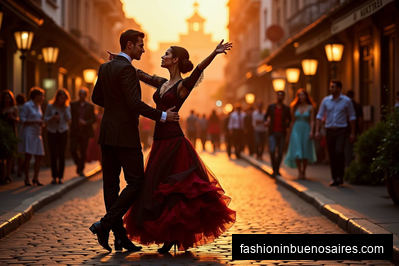
By the early 20th century, Tango was at the heart of Buenos Aires' social life, and its fashion had evolved significantly. Men donned sharp suits and hats, embodying the elegance and sophistication of the dance, while women wore dresses that were both graceful and daring, with hemlines that allowed for the intricate footwork of Tango. This period marked the beginning of Tango's lasting impact on Buenos Aires fashion, establishing a trend of elegance and sensuality that continues to this day.
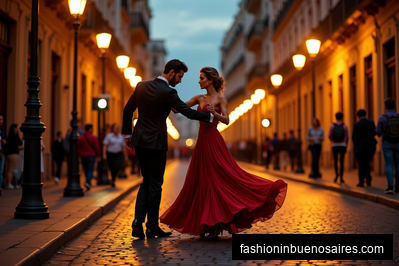
The golden age of Tango in the 1930s and 1940s further cemented its influence on fashion. This era saw the rise of the Tango dress, characterized by its figure-hugging silhouette, high slits, and embellishments that sparkled under the milonga lights. The fashion of this era mirrored the passion and intensity of Tango music and dance, creating a style that was both uniquely Argentine and universally appealing.
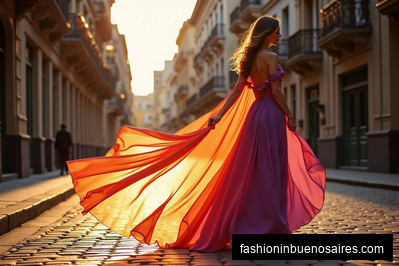
One fascinating aspect of the historical intersection of Tango and fashion is the symbiotic relationship between the two. The fluid movements and passionate embraces of Tango dancers have not only inspired elegant eveningwear but also influenced the way fabric drapes and moves in high-end designs. Designers like Carolina Herrera and Oscar de la Renta have drawn inspiration from the sensuality and drama of Tango, incorporating elements like ruffles, bold colors, and intricate embellishments into their collections. This fusion of dance and couture continues to shape the fashion landscape, showcasing the enduring allure of Tango in the world of style.
Contemporary Tango Fashion Trends
In contemporary Buenos Aires, the influence of Tango on fashion remains evident, albeit in a more nuanced and diversified manner. Today, Tango fashion is not just about traditional costumes worn during performances or at milongas but has seeped into everyday wear, influencing the city's broader fashion trends. Designers and fashion houses in Buenos Aires often draw inspiration from the elegance and sensuality of Tango, incorporating its aesthetic into modern designs.
One notable trend is the resurgence of vintage Tango fashion elements, reimagined for the modern wardrobe. High-waisted trousers, ruffled dresses, and lace detailing have made their way into contemporary fashion collections, blending the old with the new in a celebration of Buenos Aires' rich cultural heritage. Additionally, the use of bold colors and patterns, reminiscent of the vibrant life of Buenos Aires and its Tango scene, has become a staple in local fashion.
Moreover, the spirit of Tango has also influenced the functionality and versatility of contemporary fashion in Buenos Aires. Designers are increasingly focusing on creating pieces that are not only aesthetically pleasing but also comfortable and adaptable to the dynamic movements of Tango. This has led to innovations in fabric technology and design techniques, marrying tradition with modernity in a way that captures the essence of Buenos Aires' Tango culture.
In the realm of contemporary tango fashion trends, we're witnessing a delightful fusion of traditional elegance with modern elements. Designers are seamlessly incorporating sleek, form-fitting silhouettes and vibrant, eye-catching colors into their collections, reflecting the dynamic spirit of this dance form. Intricate lace details, asymmetrical hemlines, and bold floral prints are making a splash in tango-inspired attire, adding a fresh twist to classic styles. Accessories like statement earrings, sleek stiletto heels, and tailored waistcoats are also becoming staples in tango fashion, enhancing the overall allure of this sartorial genre.
The Cultural Significance of Tango Fashion
Beyond its aesthetic appeal, Tango fashion holds deep cultural significance for the people of Buenos Aires. It is a symbol of identity, heritage, and pride, representing the city's history, its struggles, and its triumphs. Tango fashion is not merely about clothing; it is a form of self-expression, a way for individuals to connect with their cultural roots and to the global Tango community.
The attire worn for Tango also serves as a medium for storytelling, conveying emotions, stories, and traditions through fabric and design. Each garment tells a story of love, passion, longing, or loss, mirroring the themes of Tango music and dance. This aspect of Tango fashion elevates it from mere clothing to an integral part of Buenos Aires' cultural expression, fostering a sense of community and belonging among those who wear it.
Furthermore, Tango fashion plays a significant role in Buenos Aires' economy, supporting local artisans, designers, and businesses. The demand for Tango attire, both locally and internationally, has contributed to the growth of the fashion industry in the city, promoting sustainable practices and the preservation of traditional craftsmanship. This economic aspect underscores the multifaceted impact of Tango on Buenos Aires, highlighting its importance not just in cultural terms but also as a driver of economic development.
One of the most intriguing aspects of Tango fashion is how it reflects the social hierarchy of Buenos Aires during the early 20th century. For instance, the traditional attire worn by dancers, such as the elegant long dresses for women and tailored suits for men, symbolizes the class distinctions prevalent in Argentine society at that time. The intricate details in the garments, like lace embellishments and fine tailoring, not only showcase the skills of the designers but also highlight the importance placed on appearances and elegance within the Tango community.
Global Influence and Future Trends
The influence of Buenos Aires' Tango fashion extends far beyond the city's borders, impacting global fashion trends and fostering a worldwide appreciation for Tango culture. International designers have drawn inspiration from Tango attire, incorporating its distinctive elements into global fashion collections. This has led to a fusion of styles, where traditional Tango aesthetics meet contemporary fashion trends, creating a global dialogue through clothing.
As we look to the future, it is clear that Tango will continue to influence fashion trends in Buenos Aires and beyond. The ongoing global fascination with Tango culture suggests that its impact on fashion will evolve, incorporating new technologies, materials, and design philosophies. This evolution will likely see Tango fashion becoming even more diverse and inclusive, reflecting the dance's ability to adapt and resonate across different cultures and eras.
Moreover, the rise of digital platforms and social media has provided a new stage for Tango fashion to be showcased and celebrated, reaching a wider audience than ever before. This digital expansion offers exciting opportunities for innovation and collaboration, promising a future where Tango and fashion continue to intersect in dynamic and unexpected ways.
Looking ahead, the fusion of technology and fashion is poised to shape the future global landscape. From smart clothing that adapts to environmental conditions to virtual fashion shows that transcend geographical boundaries, the intersection of fashion and technology is revolutionizing the industry. For example, companies like The Fabricant are pioneering digital-only clothing designs, offering a glimpse into a future where physical garments may become optional. As we navigate this era of rapid innovation, embracing these advancements can open new avenues for creativity and sustainability in the ever-evolving world of fashion.
Conclusion
The influence of Tango on Buenos Aires fashion is a testament to the enduring power of this dance to inspire, innovate, and unite. From its origins in the working-class neighborhoods of Buenos Aires to its status as a global cultural phenomenon, Tango has left an indelible mark on the city's fashion trends. This relationship between dance and fashion is not merely superficial; it is deeply rooted in cultural identity, social history, and artistic expression.
As we have explored, the impact of Tango on Buenos Aires fashion is multifaceted, encompassing historical trends, contemporary movements, and future potential. This dance form has shaped the city's style, influenced global fashion trends, and contributed to the cultural and economic vitality of Buenos Aires. As Tango continues to evolve, so too will its influence on fashion, promising a future where the passion and elegance of Tango are woven into the very fabric of Buenos Aires life.
In conclusion, the intertwining of Tango with Buenos Aires fashion goes beyond mere aesthetics, reflecting a deep cultural connection that continues to shape the city's identity. This fusion can be seen in the intricate details of garments, such as the ruffles and lace inspired by the fluid movements of the dance. Moreover, the vibrant colors and bold patterns in Tango-inspired fashion pay homage to the passion and intensity inherent in this art form. As we delve deeper into the impact of Tango on Buenos Aires fashion, it becomes evident that this relationship is a living testament to the rich history and creative spirit of both the dance and the city.