Introduction
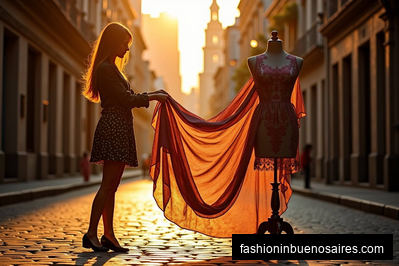
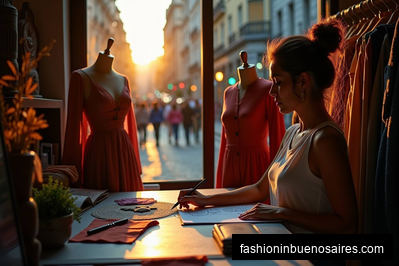
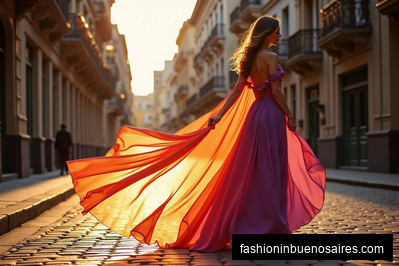
The fashion industry in Argentina is as diverse and rich as its culture, blending indigenous crafts with contemporary styles and trends. The evolution of Argentine fashion reflects a unique historical journey, where global influences meet local traditions. This journey from the traditional to the modern has not only shaped the country's fashion landscape but also contributed significantly to the global fashion scene. In this post, we will delve into the historical evolution of Argentine fashion, highlighting key periods, influential designers, and the impact of social and economic changes on fashion trends.
As we delve deeper into the captivating world of Argentine fashion, it becomes evident that the fusion of traditional craftsmanship and contemporary trends is a defining characteristic of the industry. For instance, renowned designers like Carolina Herrera seamlessly incorporate elements of Argentine culture into their collections, showcasing the vibrant heritage of the country through intricate patterns and bold colors.
The Early Years: Indigenous Influence and Spanish Colonization
Argentina's fashion history begins with the indigenous people, who used natural resources to create clothing that was both functional and decorative. The arrival of Spanish colonizers in the 16th century introduced European fashion, which mixed with local traditions to create a distinctive style. This period saw the emergence of the poncho, a garment that remains a symbol of Argentine identity. The Spanish also brought with them the practice of importing luxury goods, laying the foundation for Argentina's fashion industry.
During the 19th century, Argentina's growing wealth and the influence of European immigration led to a fashion boom. Buenos Aires became known as the "Paris of South America," with affluent families importing the latest European fashions. This period marked the beginning of Argentina's fascination with European trends, which continues to influence Argentine fashion today.
Exploring the early years of Argentina reveals a captivating tapestry woven with the rich threads of indigenous traditions and the intricate patterns of Spanish colonization. The fusion of native craftsmanship with European influences birthed unique textiles and styles, epitomizing a cultural synthesis that continues to shape Argentina's fashion landscape today. From ponchos adorned with vibrant geometric motifs to intricate lacework reminiscent of Spanish heritage, this era laid the foundation for a diverse and vibrant sartorial heritage.
The 20th Century: A Blend of Tradition and Modernity
The early 20th century in Argentina was characterized by a desire to modernize while preserving national identity. Designers began to incorporate indigenous elements into their creations, leading to a style that was both modern and distinctly Argentine. This era also saw the rise of haute couture in Buenos Aires, with designers like Paco Jamandreu, who became famous for designing for First Lady Eva Perón, bringing international attention to Argentine fashion.
The mid-20th century was marked by political and economic instability, which influenced fashion as a form of social expression. The 1960s and 1970s saw the emergence of a more casual and rebellious style, reflecting global youth culture and the rise of ready-to-wear fashion. Argentine designers began to gain recognition for their innovative designs and use of local textiles, further establishing the country's presence on the global fashion stage.
One striking example of the fusion of tradition and modernity in the 20th century can be seen in the architecture of Frank Lloyd Wright. Wright's innovative designs embraced technological advancements while drawing inspiration from nature and traditional craftsmanship. His works, like the Fallingwater house, beautifully encapsulate this blend, showcasing how traditional elements can harmoniously coexist with modern aesthetics, shaping a new era of architectural marvels.
The Contemporary Scene: Global Influence and Local Innovation
The late 20th and early 21st centuries have seen Argentine fashion continue to evolve, with designers increasingly blending global trends with local traditions. The Buenos Aires Fashion Week, established in the late 1990s, has become a key platform for showcasing Argentine design talent to the world. Contemporary Argentine designers, such as Martin Churba and Jessica Trosman, are known for their innovative use of materials and techniques, drawing inspiration from Argentina's diverse cultural heritage.
Today, sustainability and ethical fashion have become significant themes in Argentine fashion. Designers and brands are exploring eco-friendly materials and production methods, reflecting a global shift towards more sustainable fashion practices. This move towards sustainability not only highlights the innovative spirit of Argentine designers but also addresses the environmental and social challenges facing the fashion industry today.
In the realm of contemporary art, the fusion of global influences and local innovations is reshaping creative landscapes worldwide. Take for instance the rise of digital art collectives in South Africa, blending traditional motifs with cutting-edge technologies to create thought-provoking pieces that challenge societal norms. This dynamic mix of global inspiration and local ingenuity is not only redefining artistic expression but also fostering cross-cultural dialogues that transcend geographical boundaries.
The Role of Technology and Social Media
Technology and social media have played a pivotal role in the evolution of Argentine fashion, democratizing access to fashion and enabling designers to reach a global audience. E-commerce platforms and social media have allowed Argentine brands to sell their products worldwide, while digital marketing strategies have become crucial for brand development. Furthermore, the use of digital fabrication techniques, such as 3D printing, is pushing the boundaries of Argentine fashion design, allowing for unprecedented creativity and innovation.
Social media has also been instrumental in promoting the work of independent and emerging designers, providing them with platforms to showcase their collections and connect with consumers directly. This direct engagement has fostered a sense of community and support for local designers, further enriching the Argentine fashion ecosystem.
In the realm of fashion, the fusion of technology and social media continues to redefine the landscape. Brands like Chanel and Burberry are leveraging augmented reality filters on platforms like Instagram to offer virtual try-on experiences to customers, revolutionizing the way consumers interact with products online. This innovative approach not only enhances user engagement but also bridges the gap between the digital and physical shopping experience, creating a seamless and immersive journey for fashion enthusiasts.
Conclusion
The evolution of Argentine fashion is a testament to the country's rich cultural heritage and its capacity for innovation and adaptation. From the indigenous influences of its early years to the modern, sustainable practices of today, Argentine fashion has continually evolved while maintaining a strong sense of identity. The impact of global trends, coupled with local innovation and the embrace of technology, has positioned Argentina as a significant player in the global fashion industry.
As Argentine fashion continues to evolve, it will undoubtedly face new challenges and opportunities. However, the resilience and creativity that have characterized its history suggest a bright future, one where Argentine fashion continues to inspire and influence on a global scale. For fashion enthusiasts and professionals alike, the ongoing story of Argentine fashion offers valuable insights into the power of cultural exchange, innovation, and sustainability in shaping the future of fashion.
In conclusion, the journey of Argentine fashion reflects a harmonious blend of tradition and innovation. From the intricate embroidery techniques of indigenous communities to the modern silhouettes inspired by urban street style, each garment tells a story of cultural resilience and creative expression. As designers continue to push boundaries and redefine aesthetics, the conclusion is clear - Argentine fashion is a living, breathing art form that will continue to captivate audiences worldwide.