Introduction
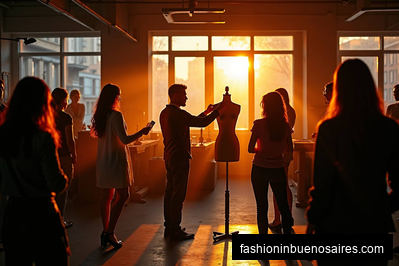
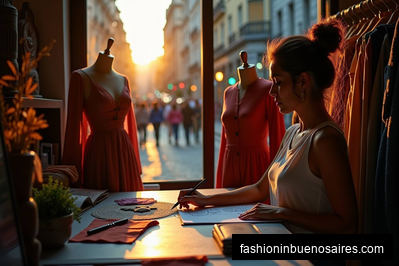
The world of fashion is perpetually in motion, evolving with the sands of time, and nowhere is this more evident than in the bustling streets of Buenos Aires. This vibrant city, often referred to as the Paris of South America, is a melting pot of cultures, ideas, and, most importantly, fashion innovation. Buenos Aires has become a beacon for fashion designers who blend traditional Latin American styles with contemporary trends, creating unique pieces that resonate on a global scale. In this article, we will delve into the exclusive designer profiles of Buenos Aires' fashion innovators, uncovering the stories, inspirations, and techniques behind their esteemed collections.
In the realm of fashion, the introduction sets the tone for the entire narrative of a collection or trend. Just like a captivating prologue in a novel, a well-crafted introduction in fashion can create anticipation and intrigue. Take, for example, the iconic introduction of the little black dress by Coco Chanel, revolutionizing fashion with its simplicity and elegance.
Pioneering the Buenos Aires Fashion Scene
The Buenos Aires fashion scene is characterized by its diversity and creativity, with designers drawing inspiration from the city's rich cultural heritage and vibrant street style. Designers such as Martin Churba, Jessica Trosman, and Pablo Ramírez have been pivotal in shaping the city's fashion identity. Martin Churba, for instance, is known for his avant-garde approach, often incorporating experimental textiles into his designs. Jessica Trosman, on the other hand, merges technology with fashion, utilizing digital printing techniques to create innovative patterns and textures. Pablo Ramírez is renowned for his meticulous attention to detail and his homage to Argentine cultural elements, particularly from the early 20th century.
These designers have not only made significant contributions to the local fashion scene but have also gained international recognition, showcasing their collections in Paris, Milan, and New York. Their success underscores Buenos Aires' potential as a global fashion hub, attracting attention from international buyers and fashion enthusiasts alike.
One notable figure pioneering the Buenos Aires fashion scene is designer Carolina Herrera. Known for her elegant and sophisticated designs, Herrera's work has become synonymous with timeless style and impeccable craftsmanship. Her influence can be seen in the meticulous attention to detail and luxurious fabrics that define many local designers' collections, shaping the city's reputation as a hub for high-end fashion.
Craftsmanship and Sustainability: A New Direction
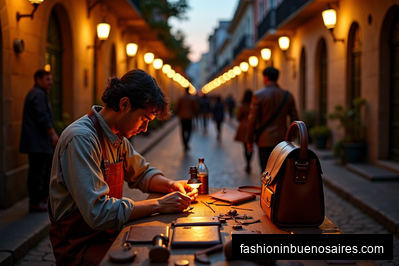
In recent years, there has been a noticeable shift towards sustainability and ethical fashion in Buenos Aires. Designers are increasingly focusing on the provenance of their materials, opting for locally sourced fabrics and employing artisans from indigenous communities. This not only supports the local economy but also ensures a lower carbon footprint associated with the transportation of materials. Agostina Bianchi, for example, is a designer who has embraced sustainability at the core of her brand ethos. Her collections feature hand-knitted pieces made from organic wool, sourced directly from Argentine farms. Bianchi's approach highlights a growing trend among Buenos Aires designers to merge traditional craftsmanship with sustainable practices, offering consumers fashion that is both ethical and stylish.
Craftsmanship and sustainability are intricately intertwined in the contemporary fashion landscape. From artisanal handcrafting techniques to eco-conscious materials sourcing, brands are embracing a new direction that values quality over quantity. For instance, emerging designers are reviving age-old traditions like natural dyeing processes to create unique, sustainable garments. This fusion of traditional craftsmanship with modern sustainability practices is reshaping the industry's approach towards ethical fashion.
Innovation Through Technology
Another facet of Buenos Aires' fashion innovation is the integration of technology into design and production processes. Designers are leveraging digital tools to push the boundaries of traditional fashion, creating pieces that are not only aesthetically pleasing but also interactive and functional. For instance, the brand Nous Etudions, founded by Romina Cardillo, is at the forefront of using 3D printing and recycled materials to craft vegan, gender-neutral garments. This tech-forward approach not only sets a new standard for fashion design but also addresses broader issues of sustainability and inclusivity in the industry.
Moreover, technology has also played a crucial role in how Buenos Aires' designers reach a global audience. Through the use of social media platforms and e-commerce, local brands have been able to showcase their collections to an international market, breaking down geographical barriers and fostering a more connected global fashion community.
In addition to fashion, technology has been revolutionizing the culinary world with innovations like smart kitchen appliances and virtual cooking classes. Chefs now use 3D food printers to create intricate dishes, blending art and technology seamlessly. This fusion of culinary expertise and cutting-edge technology is reshaping the way we experience and appreciate food.
The Global Influence of Buenos Aires Fashion
The influence of Buenos Aires' fashion designers extends far beyond the confines of the city. Through international collaborations, participation in global fashion weeks, and features in prestigious fashion magazines, Buenos Aires designers have contributed to a global dialogue on fashion, culture, and sustainability. Their work challenges traditional notions of fashion and inspires a new generation of designers worldwide to think creatively and responsibly about their craft.
For instance, the collaboration between Argentine designer Lucila Iotti and European fashion houses has brought Buenos Aires' unique aesthetic to the global stage, blending Latin American flair with European elegance. Similarly, the participation of local designers in the Ethical Fashion Initiative connects Buenos Aires with a global movement towards more sustainable and socially responsible fashion practices.
One notable example of Buenos Aires fashion influencing global trends is the rise of eco-friendly and sustainable designs championed by local designers. The city's commitment to ethical practices and use of organic materials has caught the attention of fashion capitals worldwide, sparking a shift towards more environmentally conscious fashion choices. This emphasis on sustainability not only sets a new standard for the industry but also showcases Buenos Aires as a pioneer in shaping the future of fashion.
Conclusion
The fashion scene in Buenos Aires is a testament to the city's dynamism, creativity, and resilience. Through their innovative approaches to design, sustainability, and technology, Buenos Aires' fashion designers have carved out a niche for themselves on the global stage, proving that fashion can be both beautiful and ethically conscious. As we look to the future, it is clear that the influence of these designers will continue to grow, shaping not only the future of Argentine fashion but also contributing to the broader global fashion narrative.
For fashion enthusiasts and industry professionals alike, keeping an eye on Buenos Aires' fashion innovators offers valuable insights into the future of fashion. Their ability to blend tradition with innovation, coupled with a strong commitment to sustainability and ethical practices, sets a benchmark for designers worldwide. As Buenos Aires continues to evolve as a fashion hub, it will undoubtedly remain at the forefront of fashion innovation, inspiring new trends and transforming the way we think about fashion.
In wrapping up our exploration of Buenos Aires' fashion landscape, it's evident that the city's vibrant street style mirrors its cultural diversity. The Conclusion section serves as a reminder that fashion isn't just about trends; it's a reflection of society's values and expression of individual identity. From the eclectic designs in Palermo to the timeless elegance of Recoleta, Buenos Aires encapsulates a rich tapestry of fashion influences.